An electric stair climbing dolly is exactly what it sounds like — a battery-powered hand truck that carries the weight of a heavy load and walks itself up or down each stair on motorized wheels. You steer it. It does the lifting. One person, no straining, no stairs left uncovered.
If you've ever called a second (or third) guy just to get a refrigerator down a basement staircase, you already know the real cost of a manual dolly — it isn't the dolly itself, it's everyone else's time you have to borrow to use it.
Most manual stair trucks need two to five people just to keep a heavy load from tipping backward. One wrong step, one lost grip, and it's not just the item at risk — it's someone's back, knees, or worse. That's not a "maybe." Warehouse and moving-industry injury reports point to stairs as one of the most common places heavy-lift accidents happen.
An electric stair climbing dolly removes that entire equation. The motor carries the load's weight through the climb — you're just guiding it, not fighting gravity on every step.
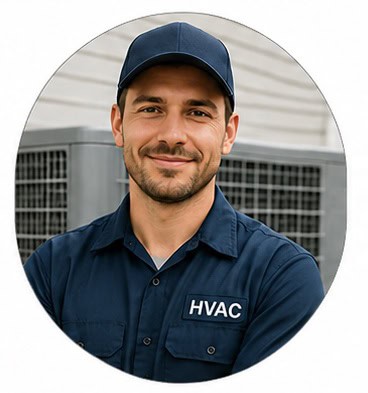
After two decades of carrying heating equipment up basement stairs the hard way, I finally gave in and bought one. Getting a 350 lb cast iron boiler up a full flight by myself, with no help, was not something I thought I'd see happen.

We had a 500 lb safe that needed to come down 25 steep stairs. Normally that job takes a crew and a lot of luck. With this, the descent speed control kept it slow and steady the entire way down — nobody had to brace against the weight.

A delivery came in with a hundred heavy rubber rolls, no working elevator, and three flights of stairs between us and where they needed to go. Rental equipment was impossible to find that week. This dolly is the only reason our backs made it through that day.

We used it to bring a 500 to 600 lb range in solo. I wouldn't try that with a single person on the controls though — the weight wants to pull you forward on the last few steps, so having someone steady the load makes all the difference.
-
Manning it: A manual stair dolly usually needs two to five people to keep a heavy load from tipping. An electric model is built for one.
-
Physical strain: Manual units rely entirely on your body to control the descent. Electric models use the motor to carry the weight, so your job is steering, not straining.
-
Weight ceiling: Most manual dollies top out well below what an electric model like the 880 lbs option can carry with control.
-
Injury risk: Losing control of a heavy load on stairs is one of the most common ways people get hurt during moves and installs. A motor-controlled descent removes most of that risk.
-
Upfront cost: Manual dollies are cheaper to buy. Electric models cost more upfront but pay that back fast in labor saved and injuries avoided.
-
Secure the load properly. Ratchet straps should hold the item tight to the frame before you press a single button — a load that can shift mid-climb is the most common cause of a bad outcome.
-
Check the stairs first. Confirm the staircase is wide enough for the unit and load, and rule out open-back stairs — the dolly needs a solid step to grip on every level.
-
Never exceed the rated capacity. Going over the weight limit strains the motor and undermines the exact stability the machine is designed to give you.
-
Keep bystanders clear, especially below. Nobody should ever stand behind or underneath the load during a climb or descent, no exceptions.
-
Do a dry run first. Practice the controls without a load before your first real job — knowing how it responds saves you from hesitating with weight on board.
Why This Pays for Itself Faster Than You'd Think
A single back injury on the job isn't a minor line item. According to the National Safety Council, the average workers' compensation claim for a back injury lands somewhere between $37,000 and $42,000 once medical care, lost work time, and administrative costs are factored in — and that's before a claim gets complicated by surgery or a longer recovery.
Compare that to the cost of either dolly on this page, and the math isn't close. One avoided injury covers the equipment many times over, and that's without counting the labor hours saved from no longer needing two or three extra people every time a heavy item meets a staircase.